By Safen Roy
On November 19, 2026, the International Court of Justice ruled, by nine votes to six, that Myanmar “has committed genocide against the Rohingya group in northern Rakhine State.” The judgment is final and cannot be appealed. It orders restitution, including the safe, voluntary and dignified return of displaced Rohingya, and compensation to be set at a later stage. Myanmar has two years to report on both.
The Court has no means of enforcing any of it. That task falls to the Security Council, where any permanent member can block action. The same judgment found that Myanmar had already breached the provisional measures the Court ordered on January 23, 2020, a year before the military seized power. Seven years of proceedings have produced a ruling on what happened in 2017 and an order about what should happen next, with nothing yet connecting that order to conditions on the ground.
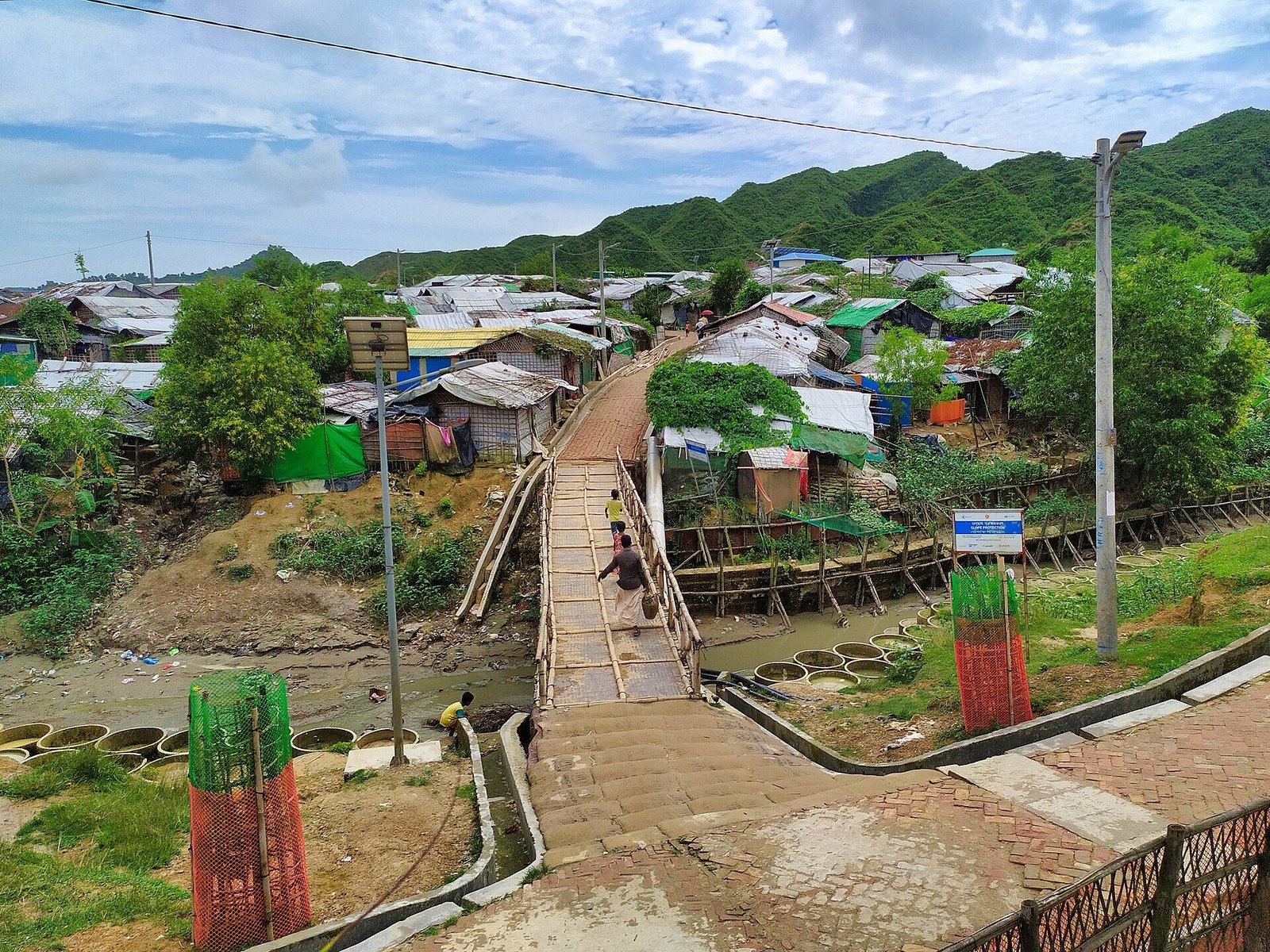
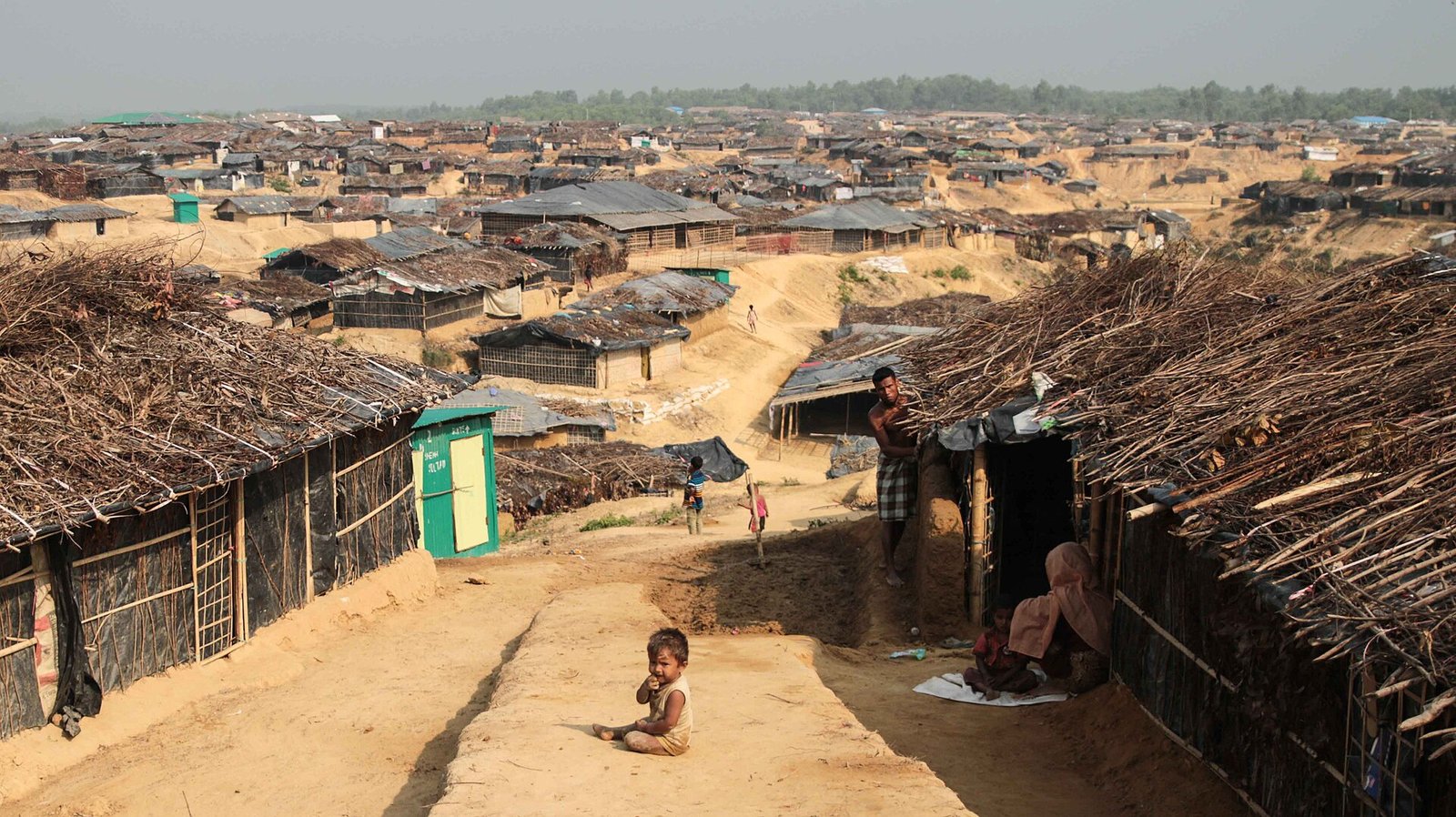
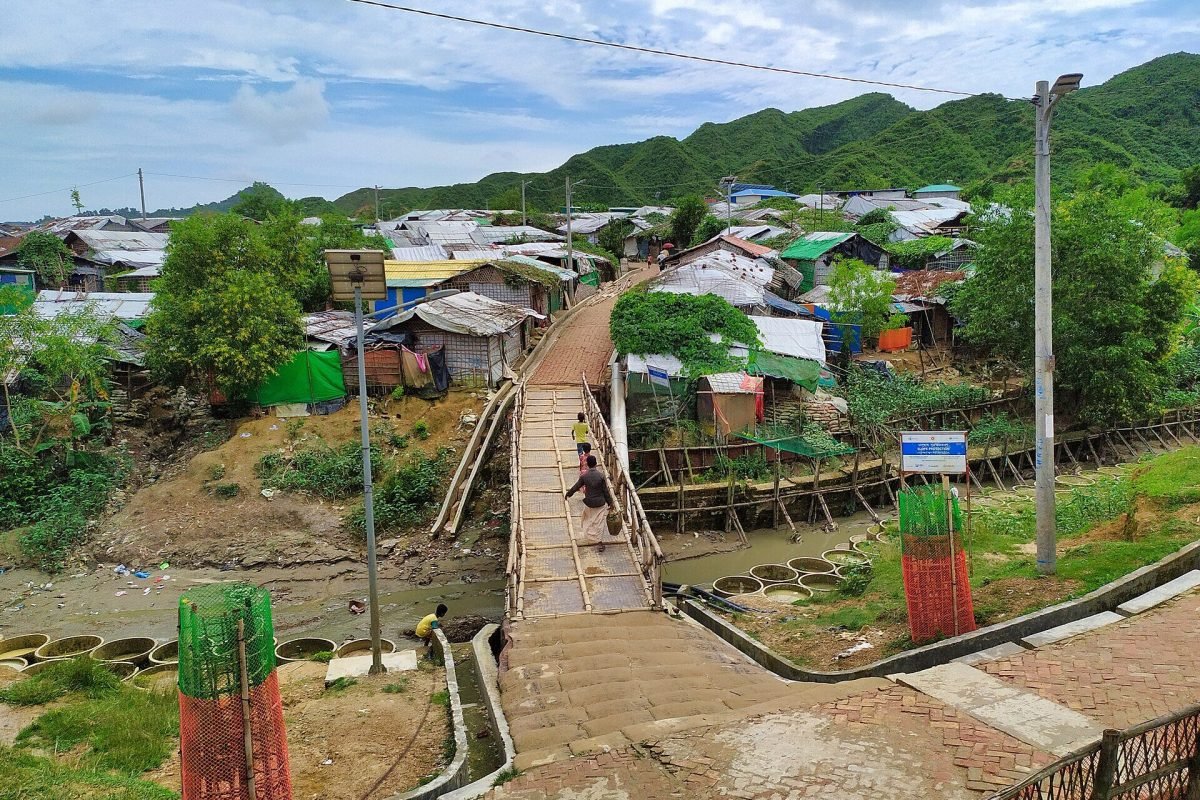
In the camps of Cox’s Bazar, where refugees gathered to watch the ruling, scepticism about what it will change is not a dismissal of the law. It is a reading of the record. The judgment now speaks of return as an obligation; the history of return speaks of something else. Since 2018, five separate initiatives have promised to move Rohingya back to Myanmar, and none has produced a documented, completed return from Bangladesh. The figures attached to each of them measure different things—names listed, people cleared, families proposed, refugees declared eligible, detainees transferred—and they cannot be added together. What they share is an ending.
The first attempt was the most explicit. In late 2018, 2,260 people were listed for an organised return scheduled for November 15. The date passed and the return did not proceed. Refugees on the list declined to go back without guarantees of citizenship and security, and no such guarantees were offered. The pattern that would repeat for the next eight years was set on that first day: an agreement between governments, a list of names, and a population that had not been asked whether the conditions it fled had changed.
The second attempt, on August 22, 2019, reversed the order but not the outcome. From a list of more than 22,000 names submitted by Bangladesh, Myanmar “cleared” 3,450 people for return. The UN refugee agency reported that none of the refugees it interviewed wished to go back, and the vehicles sent to a camp in Teknaf left empty. Clearance, in other words, was a decision taken on one side of the border about people living on the other. It established that Myanmar was willing to receive a number. It did not establish that anyone was willing to be that number.
Diplomatically, 2023 brought the most elaborate effort, a pilot scheme brokered by China through talks with Bangladesh and Myanmar. It proposed 1,176 people for a first phase of return. It was halted as fighting intensified in Rakhine, and the offensive that followed changed the question entirely. By mid-2025 the Arakan Army controlled more than ninety percent of the state’s territory. The authority that had negotiated the pilot no longer governed most of the land to which the pilot was meant to return people.
That did not stop the lists from growing. In April 2025, Myanmar informed Bangladesh that 180,000 Rohingya had been identified as “eligible” for return from the names submitted since 2018, with another 70,000 awaiting scrutiny. It was the largest figure the process had ever produced, and it produced the smallest result: no completed return has been recorded against it, and repatriation from Bangladesh is described as stalled. Eligibility was granted by a government whose writ no longer ran in the townships the refugees came from.
The fifth attempt did move people, though not from Bangladesh. On September 29, 2026, Malaysia’s national news agency Bernama reported that 1,476 Myanmar detainees had been sent home aboard Myanmar naval vessels, the first phase of a plan covering 5,000 people. The Associated Press reported that Rohingya participation and the claim of “voluntary” return had not been independently established, and Médecins Sans Frontières said returns were unsafe under current conditions. After eight years of plans, the only completed transfer is one whose passengers cannot be confirmed as Rohingya and whose consent cannot be confirmed at all.
Historically, each attempt has followed the same sequence: an agreement, a list, a date, and then silence. The distinction between an announcement and an outcome has defined this crisis from the start, and every repatriation initiative has stayed on the announcement side of that line. The refusal of refugees to board was never the obstacle; it was the most accurate assessment available of conditions in Rakhine, and events have repeatedly confirmed it.
The Hague judgment changes the language of this history, not its substance. On paper, return is no longer something Myanmar may offer through bilateral talks but something it has been ordered to allow, and its report on restitution and compensation, due by November 2028, will show whether that order carries any weight in practice. Dhaka welcomed the ruling on the day it was delivered and called on Myanmar to implement it promptly. One of its state ministers for foreign affairs also urged pressure on the Arakan Army, a quiet acknowledgement that the government ordered to allow return no longer holds most of the territory in question. The judgment does not change who controls northern Rakhine, restore the citizenship stripped from the Rohingya, or fund the camps in which they live. It names the crime. It does not open the road.
Bangladesh has spent nine years hosting a population that every agreement described as temporary. Five times, the return of that population has been scheduled, cleared, proposed, certified or announced, and five times the people concerned have remained where they were. A court in The Hague has now ruled on what they fled. What they would return to remains unchanged. Until it changes, the Rohingya will remain where five agreements have left them.
Photo: Rohingya refugee camp 26, Teknaf, Cox’s Bazar. Rocky Masum, CC BY-SA 4.0, via Wikimedia Commons.